Prevention in Everyday Care

Wednesday, October 30, 2026
1:00 pm ET / 12:00 pm CT / 11:00 am MT / 10:00 am PT
Supported by Independent Educational Grants from Gilead Sciences and Merck
People with HIV often take multiple medications to manage HIV and other health conditions, increasing the potential for drug interactions and medication-related errors. The ability of the care team to identify and mitigate interactions and errors is crucial to ensuring and maintaining patient safety. Identifying these risks can be challenging, particularly as patients move across care settings and receive medications from multiple providers.
Through real-world patient cases, this webinar explores common medication-related challenges in HIV care and practical strategies for recognizing drug interactions, preventing errors, and improving medication safety. Participants will also examine how members of the interprofessional care team can work together to identify risks and prevent medication-related harm.
Practical
Clinician-Led
Case-Based
Team-Based

David E. Koren, PharmD, MPH, BCIDP, AAHIVP, FIDSA
David E. Koren, PharmD, MPH, BCIDP, AAHIVP, FIDSA, is an Infectious Diseases Clinical Pharmacist at Temple University Health System whose clinical interests include pharmacist-delivered care and the prevention, treatment, and management of HIV and hepatitis C.
...
David E. Koren, PharmD, MPH, BCIDP, AAHIVP, FIDSA is an Infectious Diseases Clinical Pharmacist and Director of the PGY-2 Infectious Diseases Pharmacy Residency for the Temple University Health System in Philadelphia, Adjunct Clinical Professor for the School of Pharmacy at Temple University, and faculty for the MidAtlantic AIDS Education and Training Centers. Dr. Koren received both his Doctor of Pharmacy and Masters in Public Health from Temple University and completed post-graduate Pharmacy Practice and Infectious Diseases residencies at Yale-New Haven Hospital and Cleveland Clinic. Dr. Koren is a board-certified Infectious Disease Pharmacy specialist and a credentialed HIV Pharmacist from the American Academy of HIV Medicine. His clinical interests include innovative models for pharmacist delivery of care as well as the prevention, treatment, and management of HIV and Hepatitis C. Dr. Koren has presented viral infection-related research abstracts at the regional, national, and international level and has published numerous manuscripts in peer-reviewed journals. He serves on the national pharmacists committee for the American Academy of HIV Medicine and was named a fellow of the Infectious Diseases Society of America.
Read more
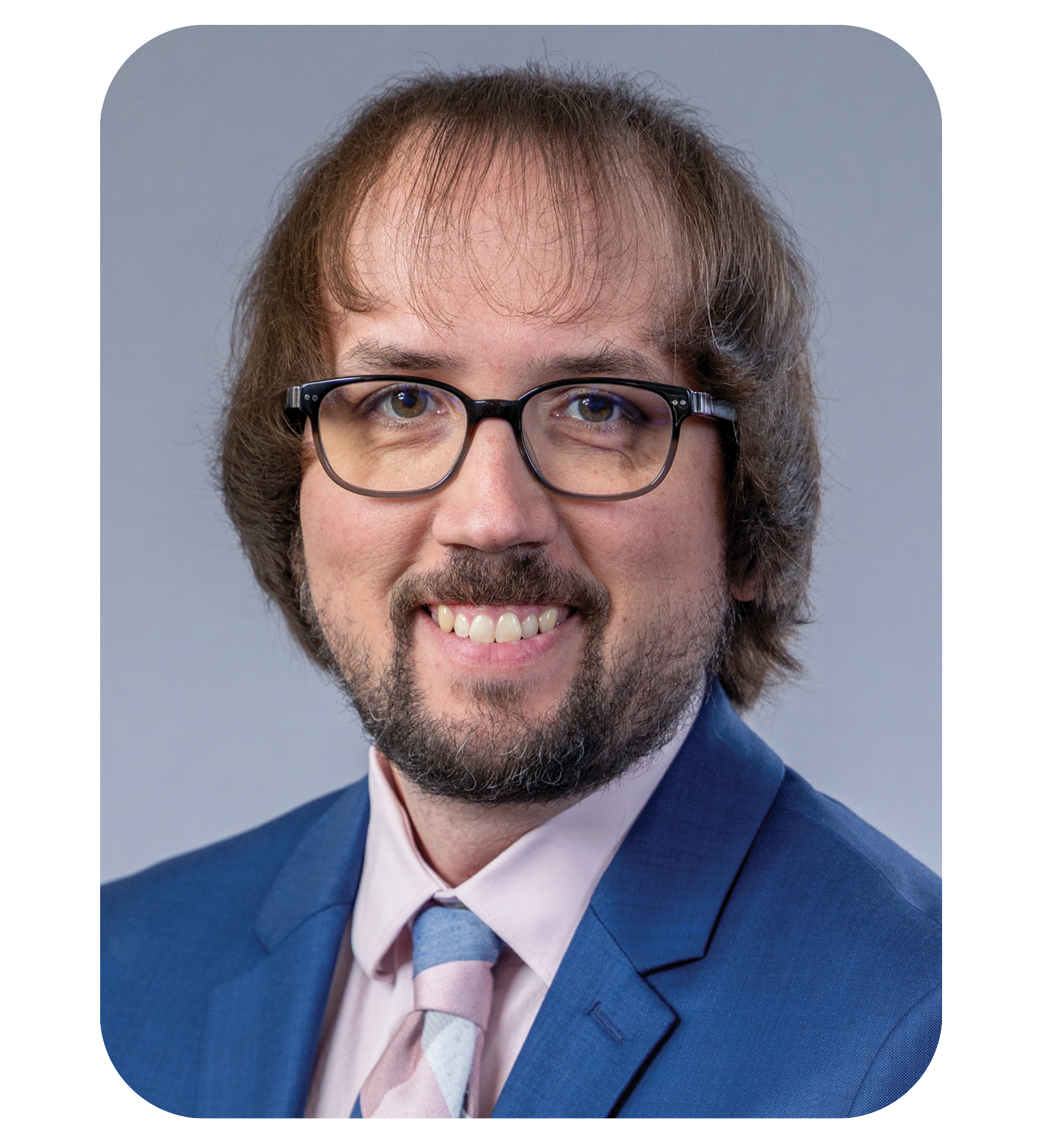
Ryan Tomlin, PharmD, BCPS, AAHIVP
Ryan Tomlin, PharmD, BCPS, AAHIVP, is a clinical pharmacist specializing in HIV medicine at Trinity Health Grand Rapids McAuley Clinic, with expertise in HIV pharmacotherapy, medication adherence, and the education and training of HIV care professionals.
...
Ryan Tomlin, PharmD, BCPS, AAHIVP, is the clinical pharmacist specializing in HIV Medicine at the Trinity Health Grand Rapids McAuley Clinic, the largest HIV clinic in West Michigan serving roughly 1,300 patients annually. He received his doctorate from Purdue University and completed two years of residency at The University of Oklahoma. His interest in HIV developed from his time treating patients at the Moi Teaching and Referral Hospital in Eldoret, Kenya. Currently, he is actively involved with a number of HIV organizations across the state of Michigan including the Michigan chapter of the Midwest AIDS Training and Education Center and the Michigan HIV/AIDS Council. He also works closely with the state health department teaching courses over medication adherence to new case managers and presenting novel antiretroviral medications to the Michigan HIV Drug Assistance Program Formulary Committee. He supports the training of future clinicians by coordinating two second-year pharmacy residency programs specializing in infectious diseases and ambulatory care. He is also Core Faculty for the Corewell Health/Trinity Health infectious diseases fellowship program. For these efforts in both didactic and clinical education, he was recently awarded the Clinical Teacher of the Year by the Michigan Infectious Disease Society, where he was the first ever non-physician to receive the award.
Read more

American Academy of CME, Inc., designates this enduring material for a maximum of 1.0 AMA PRA Category 1 CreditsTM. Physicians should claim only the credit commensurate with the extent of their participation in the activity.
American Academy of CME, Inc., designates this educational activity for 1.0 ANCC contact hours. (1.0 pharmacotherapeutic contact hours).
California
Provider approved by the California Board of Registered Nursing, Provider Number CEP16993 for 1.0 contact hours.
This activity provides 1.0 ACPE contact hours (0.1 CEUs) of continuing education credit. Universal Activity Number JA4008191-0000-26-038-L02-P, Knowledge.
The opinions expressed in this accredited continuing education activity are those of the faculty, and do not represent those of the Academy/ACTHIV Institute. This educational activity is intended as a supplement to existing knowledge, published information, and practice guidelines. Learners should appraise the information presented critically, and draw conclusions only after careful consideration of all available scientific information.
Implicit Bias: Implicit bias refers to unconscious attitudes and stereotypes that influence our thoughts, judgements, decisions, and actions without our awareness. Everyone is susceptible to implicit bias, even clinicians. In healthcare, implicit biases can have a significant impact on the quality of care an individual receives. These biases can be both favorable and unfavorable, and are activated involuntarily without an individual’s awareness or intentional control. Studies have indicated that healthcare providers’ incorrect perceptions can impact providers’ communications and clinical decision-making contributing to disparities in clinical outcomes. Addressing implicit biases in healthcare is critical to improving health outcomes and promoting health equity for all patients. Patient-centered care can reduce the impact of implicit bias, by treating each patient as a unique individual who may or may not hold beliefs associated with their backgrounds and circumstances. In addition, recognizing implicit bias in one’s own practice using techniques such as self-reflection and mindful clinical decision-making can ensure more equitable and effective care for all patients.
Over the past several decades, cognitive science research has demonstrated human behavior, beliefs and attitudes are shaped by automatic and unconscious cognitive processes. The healthcare profession is devoting greater attention to how these automatic and unconscious processes impact care including: (1) preferential treatment toward or against specific patient populations causing healthcare inequities, (2) influence patient-provider communications leading to misunderstandings and mistrust, and (3) impact access to healthcare and affect treatment decisions resulting in misdiagnosis, delays in treatment and specialty referrals and poor pain management. Considering one might have unconscious biases and exploring them may be uncomfortable because the very idea that they exist may conflict with how clinicians perceive themselves. It is only by becoming aware of one’s unconscious biases that members of the healthcare team can take steps to mitigate them to ensure all their patients receive quality healthcare. For more information on strategies to reduce implicit bias, visit: https://www.ihi.org/library/blog/how-reduce-implicit-bias
For more information about the American Academy of CME privacy policy, please access https://www.academycme.org/privacy.htm
For any questions, please contact: [email protected]
© 2026. This accredited continuing education activity is held as copyrighted © by American Academy of CME, Inc. Through this notice, permission is granted for its use for educational purposes only. These materials may not be used, in whole or in part, for any commercial purposes without prior permission in writing from the copyright owner(s).
Copyright © American Academy of CME, Inc. 2026
Website designed by Netlynx Inc