HIV and Aging

November 2nd, 2026
Expiration date
November 2nd, 2027
Monday, December 7, 2026
1:00 pm ET / 12:00 pm CT / 11:00 am MT / 10:00 am PT
Supported by Independent Educational Grants from Gilead Sciences and Merck
More than half of all people with living HIV in the U.S. are age 50 or older, and many are living with multiple chronic conditions, including cardiovascular disease, diabetes, kidney disease, and neurocognitive health concerns. Adults aging with HIV are experiencing geriatric syndromes. As care becomes more complex, health care teams and organizations serving people aging with HIV need a working knowledge of the specific considerations involved in caring for this population.
Using a case-based approach, this interactive webinar will review practical, evidence-based geriatric care strategies that interprofessional teams can incorporate into daily practice. These approaches can help older adults with HIV optimize their health, improve quality of life, and achieve better health outcomes.
Practical
Clinician-Led
Case-Based
Team-Based
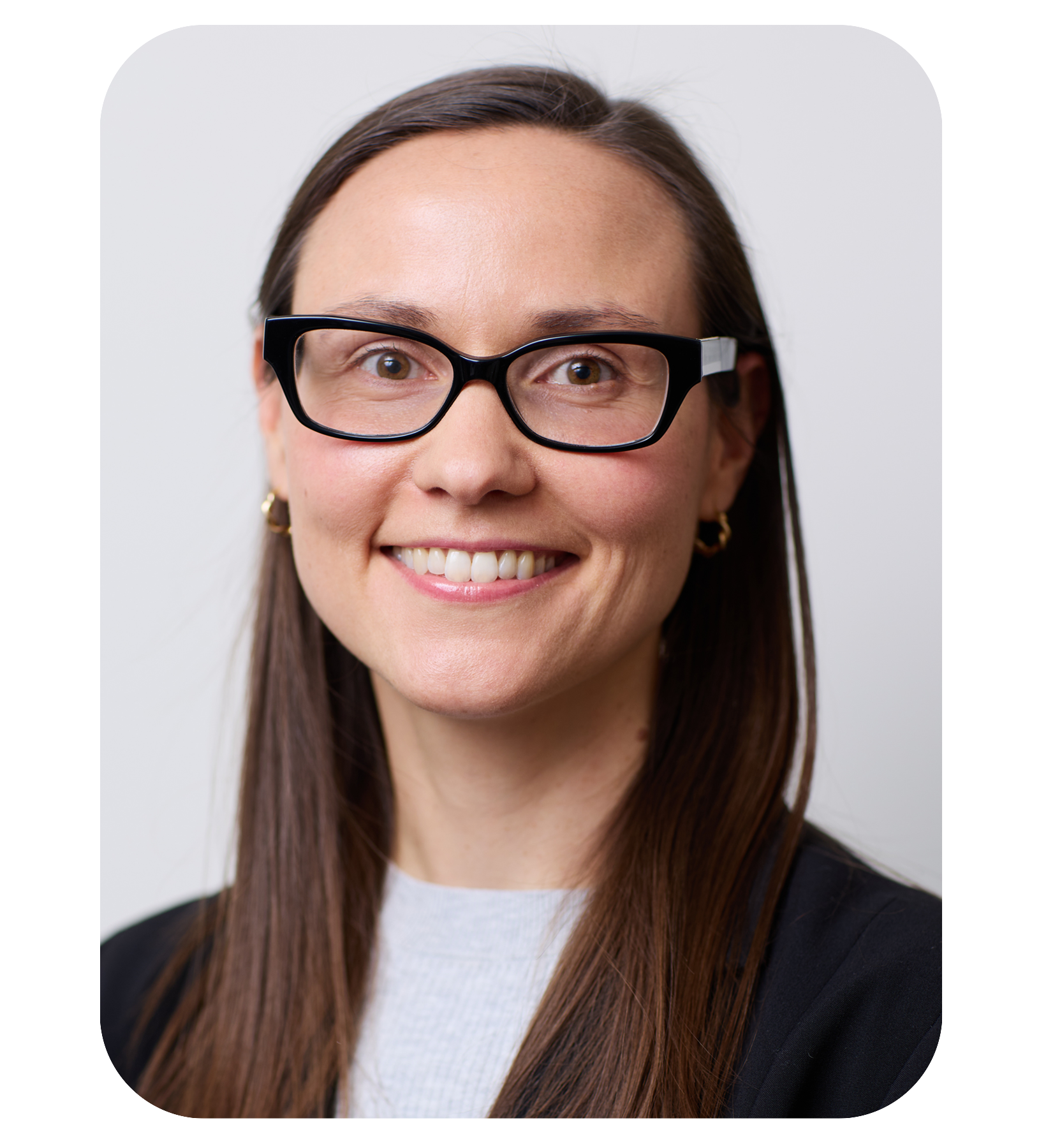
Angela Condo, MD
Angela Condo, MD, is an Assistant Professor of Geriatrics and Palliative Medicine at Mount Sinai and Clinical Director of its Comprehensive Program of Integrated Care for Older Adults with HIV. Board certified in internal medicine and geriatric medicine, she specializes in interdisciplinary, patient-centered care for older adults with HIV and has extensive experience educating healthcare professionals on integrated HIV-geriatric care models.
...
Angela Condo, MD, is Assistant Professor in the Department of Geriatrics and Palliative Medicine at Mount Sinai, is a geriatric primary care provider and the clinical director of Mount Sinai's Comprehensive Program of Integrated Care for Older Adults with HIV. She is board certified in internal medicine and geriatric medicine. She started the Comprehensive Program of Integrated Care for Older Adults with HIV in 2020 with grant support from the Keith Haring Foundation and Health Resources Services Administration (HRSA). The program takes an interdisciplinary team approach to caring for older adults with HIV. In combination with the clinical program, she has educated a national audience on models of HIV-geriatric care via invited lectures throughout the Mount Sinai Health System, New York City & State, nationally at conferences such as the Gerontologic Society of America (GSA), and internationally through organizations like the National AIDS Treatment Advocacy Project (NATAP). Dr. Condo enjoys the complexity in caring for older adults and the teamwork required to do it successfully.
Read more
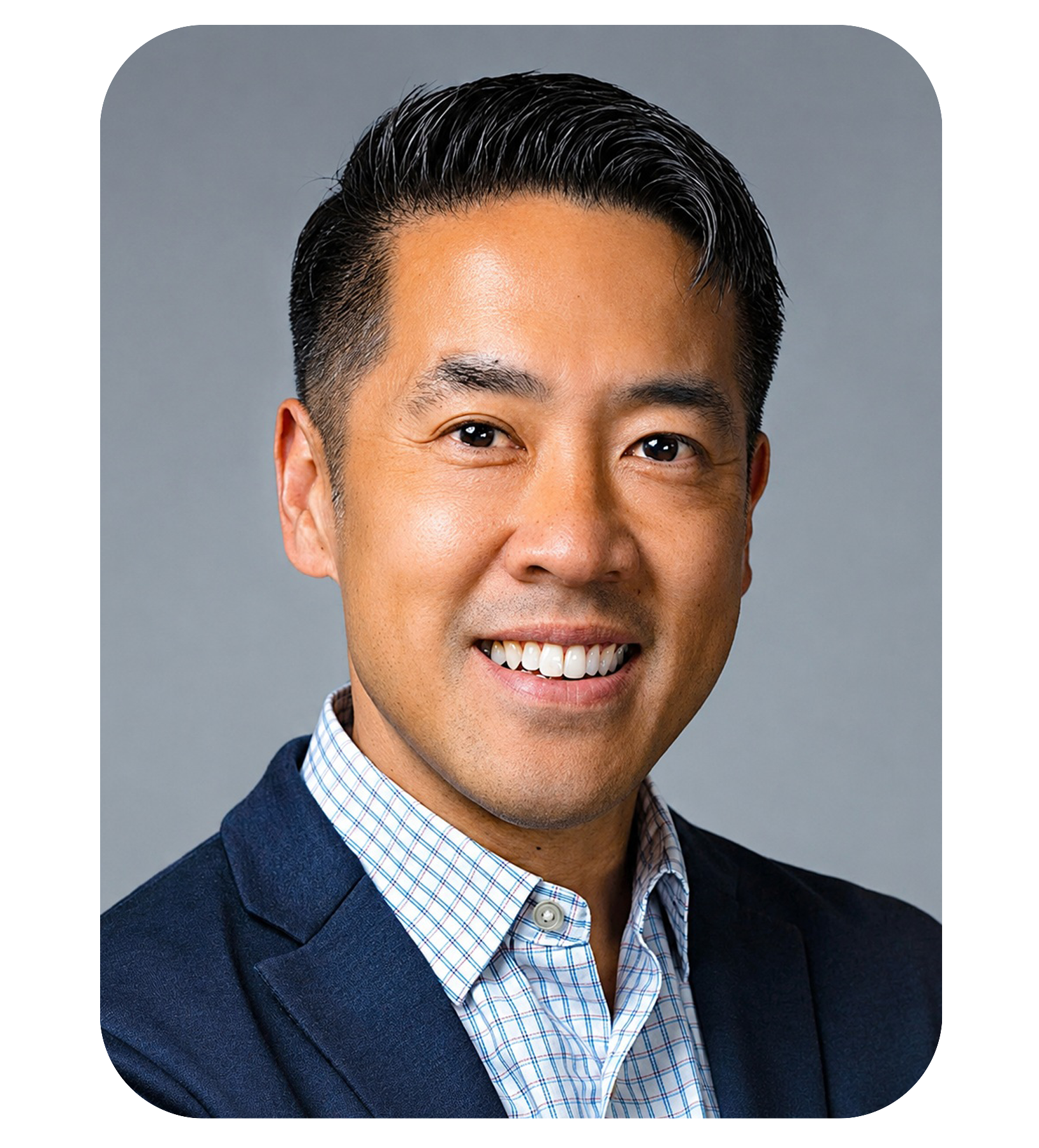
Jeffrey Kwong, DNP, MPH, AGPCNP-BC, FAANP, FAAN
Jeffrey Kwong, DNP, MPH, AGPCNP-BC, FAANP, FAAN, is an adult-gerontology primary care nurse practitioner at NYU Langone Health and Co-Medical Director of the American Academy of HIV Medicine’s HIV-Age Initiative. He specializes in HIV and aging, with extensive experience in clinical care, nursing education, and advancing interdisciplinary, patient-centered approaches to caring for older adults with HIV.
...
Jeffrey Kwong, DNP, MPH, AGPCNP-BC, FAANP, FAAN, is an adult gerontology primary care nurse practitioner at NYU Langone Health in New York City. He previously served as Professor and Associate Dean for the Division of Advanced Nursing Practice at Rutgers School of Nursing in New Jersey. In addition to his clinical practice, he currently serves as the Co-Medical Director for the American Academy of HIV Medicine's HIV-Age Initiative and is a former member of the Association of Nurses in AIDS Care’s HIV and Aging Expert Panel. He received his nurse practitioner training from the University of California San Francisco and completed his doctorate degree from the University of Colorado. He is a fellow of the American Association of Nurse Practitioners and the American Academy of Nursing.
Read more

American Academy of CME, Inc., designates this enduring material for a maximum of 1.0 AMA PRA Category 1 CreditsTM. Physicians should claim only the credit commensurate with the extent of their participation in the activity.
American Academy of CME, Inc., designates this educational activity for 1.0 ANCC contact hours.
California
Provider approved by the California Board of Registered Nursing, Provider Number CEP16993 for 1.0 contact hours.
This activity provides 1.0 ACPE contact hours (0.1 CEUs) of continuing education credit. Universal Activity Number JA4008191-0000-26-099-L02-P, Knowledge.
The opinions expressed in this accredited continuing education activity are those of the faculty, and do not represent those of the Academy/ACTHIV Institute. This educational activity is intended as a supplement to existing knowledge, published information, and practice guidelines. Learners should appraise the information presented critically, and draw conclusions only after careful consideration of all available scientific information.
Implicit Bias: Implicit bias refers to unconscious attitudes and stereotypes that influence our thoughts, judgements, decisions, and actions without our awareness. Everyone is susceptible to implicit bias, even clinicians. In healthcare, implicit biases can have a significant impact on the quality of care an individual receives. These biases can be both favorable and unfavorable, and are activated involuntarily without an individual’s awareness or intentional control. Studies have indicated that healthcare providers’ incorrect perceptions can impact providers’ communications and clinical decision-making contributing to disparities in clinical outcomes. Addressing implicit biases in healthcare is critical to improving health outcomes and promoting health equity for all patients. Patient-centered care can reduce the impact of implicit bias, by treating each patient as a unique individual who may or may not hold beliefs associated with their backgrounds and circumstances. In addition, recognizing implicit bias in one’s own practice using techniques such as self-reflection and mindful clinical decision-making can ensure more equitable and effective care for all patients.
Over the past several decades, cognitive science research has demonstrated human behavior, beliefs and attitudes are shaped by automatic and unconscious cognitive processes. The healthcare profession is devoting greater attention to how these automatic and unconscious processes impact care including: (1) preferential treatment toward or against specific patient populations causing healthcare inequities, (2) influence patient-provider communications leading to misunderstandings and mistrust, and (3) impact access to healthcare and affect treatment decisions resulting in misdiagnosis, delays in treatment and specialty referrals and poor pain management. Considering one might have unconscious biases and exploring them may be uncomfortable because the very idea that they exist may conflict with how clinicians perceive themselves. It is only by becoming aware of one’s unconscious biases that members of the healthcare team can take steps to mitigate them to ensure all their patients receive quality healthcare. For more information on strategies to reduce implicit bias, visit: https://www.ihi.org/library/blog/how-reduce-implicit-bias
For more information about the American Academy of CME privacy policy, please access https://www.academycme.org/privacy.htm
For any questions, please contact: [email protected]
© 2026. This accredited continuing education activity is held as copyrighted © by American Academy of CME, Inc. Through this notice, permission is granted for its use for educational purposes only. These materials may not be used, in whole or in part, for any commercial purposes without prior permission in writing from the copyright owner(s).
Copyright © American Academy of CME, Inc. 2026
Website designed by Netlynx Inc