
Every ACTHIV educational activity is designed to help clinicians and care team members translate evolving evidence into better HIV prevention and care through practical, evidence-based, interprofessional education.
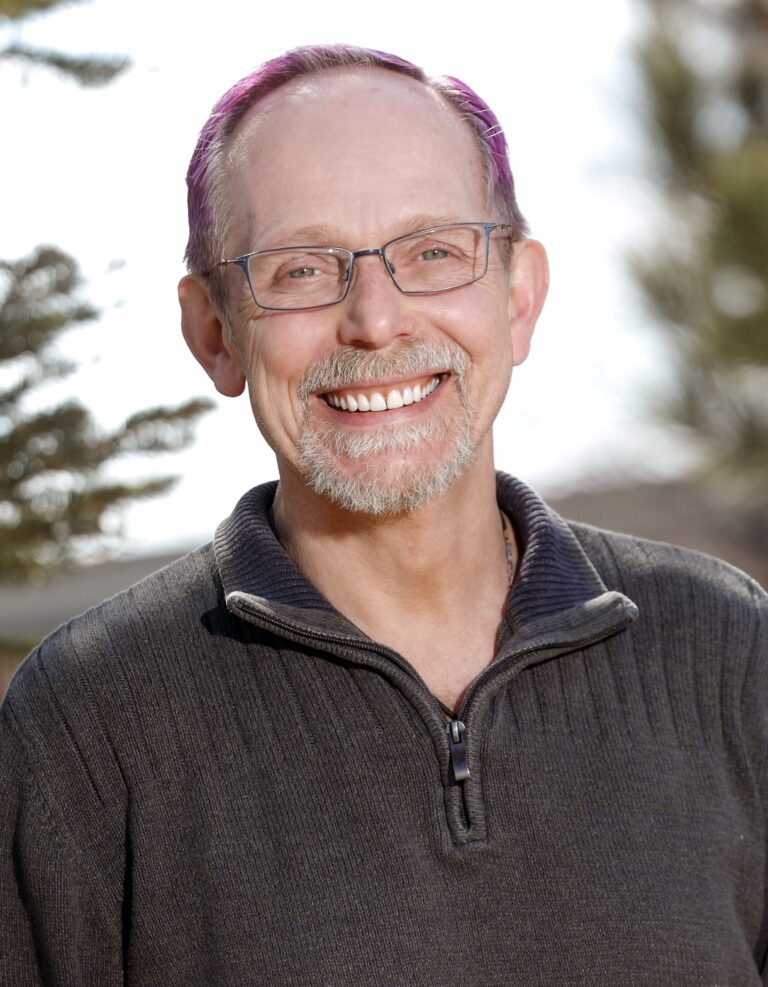
Jace Dyckman, BS
Jace is Program Coordinator for HIV Services at RiverStone Health in Billings, Montana, and a longtime HIV advocate whose work focuses on improving HIV care and support services for people living with HIV.
...
Jace Dyckman, BS, is Program Coordinator for HIV Services at Riverstone Health City/County Health Department (Montana). He is a dedicated advocate for HIV care, inspired by their own diagnosis with AIDS in 1995. With a Bachelor of Science in Human Services (2010) and a Certificate in Public Health (2018), Jace Dyckman actively contributes to the State HIV Community Planning Group and the Viral Hepatitis Advisory Council.
Read more
Dr. Presser is an Infectious Diseases Clinical Pharmacy Specialist at the Alaska Native Medical Center whose work focuses on antimicrobial stewardship and optimizing infectious diseases care for Alaska Native communities.
...
Katie Presser, PharmD, BCPS, BCIDP is Infectious Diseases Clinical Pharmacy Specialist, Statewide Antimicrobial Stewardship Services at Alaska Native Medical Center. Katie has been the antimicrobial stewardship/infectious diseases pharmacist at Alaska Native Tribal Health Consortium for the last 8 years. She completed a residency at Providence Alaska Medical Center and fell in love with Alaska. She graduated pharmacy school from Butler University. When not at work, she can be found with her husband, 2 boys, and 2 dogs trying to gain exposure to Alaska and the world.
Read more
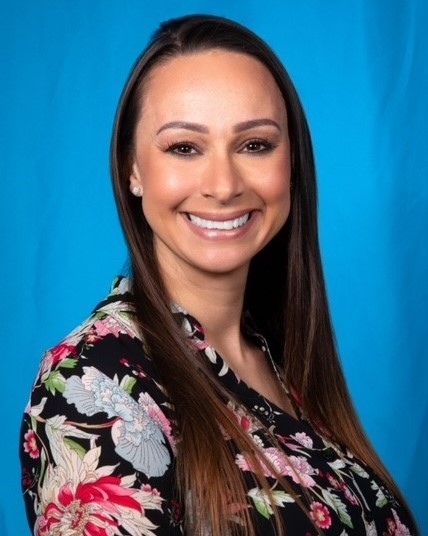
Dr. Reed is Clinical Director of Addiction Medicine for the Muscogee Creek Nation Department of Health, where she provides HIV prevention and treatment, viral hepatitis, addiction medicine, and gender-affirming care, with a focus on improving the health of Native communities.
...
Amanda Reed, DO, AOBFP, is the Clinical Director of Addiction Medicine for the Muscogee Creek Nation Department of Health (Oklahoma). She developed the Hepatitis C and HIV program at the Muscogee Nation Department of Health where she provides care for viral hepatitis, HIV treatment and prevention, STIs, Addiction and LGBTQ2+ sensitive and gender affirming care. She is Board Certified in Addiction Medicine and Family Medicine. She completed her training in Family Medicine at Northeastern Health System in Tahlequah Oklahoma in 2015. She completed her Doctorate in Osteopathic Medicine from Oklahoma State University College of Osteopathic Medicine Oklahoma in 2012, and received her Bachelor’s degree from Northeastern State University. She is the Alternate Regional Director for Region VII with the American Society of Addiction Medicine (ASAM) and an Adjunct Clinical Professor at Oklahoma State University College of Osteopathic Medicine. She serves as a member of the Oklahoma HIV and Hepatitis Planning Council, the Oklahoma Hepatitis C Elimination Council and the National Native HIV Network. She is a proud Cherokee woman and mother of three.
Read more
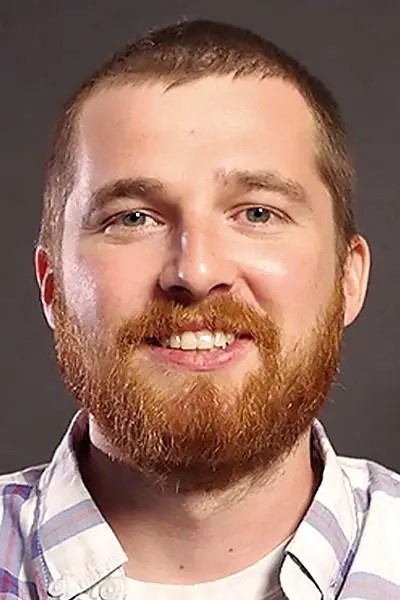
David is ECHO Clinic Director for the Northwest Portland Area Indian Health Board, where he leads telehealth and technology-enabled programs that expand access to healthcare for American Indian and Alaska Native communities.
...
In his role as ECHO Clinic Director, David serves the 43 tribes of the Northwest Portland Area Indian Health Board by focusing on the development and implementation of technology-based health interventions. He also manages a telehealth service for clinicians serving the American Indian and Alaska Native communities.
Read more
In support of improving patient care, American Academy of CME, Inc. is Jointly accredited by the Accreditation Council for Continuing Medical Education (ACCME), the Accreditation Council for Pharmacy Education (ACPE), and the American Nurses Credentialing Center (ANCC), to provide continuing education for the healthcare team.
American Academy of CME, Inc., designates this educational activity for 1.0 ANCC contact hours (0.0 pharmacotherapeutic contact hours).
California
Provider approved by the California Board of Registered Nursing, Provider Number CEP16993 for 1.0 contact hours.
American Academy of CME, Inc. has been authorized by the American Academy of PAs (AAPA) to award AAPA Category 1 CME credit for activities planned in accordance with AAPA CME Criteria. This activity is designated for 1.0 AAPA Category 1 CME credits. Approval is valid until February 7, 2027. PAs should only claim credit commensurate with the extent of their participation.
All faculty educators/planners have no relevant financial relationships to disclose.
This activity will not include discussion of off-label uses of approved agents and/or investigational agents.
The opinions expressed in this accredited continuing education activity are those of the faculty, and do not represent those of the Academy/ACTHIV Institute. This educational activity is intended as a supplement to existing knowledge, published information, and practice guidelines. Learners should appraise the information presented critically, and draw conclusions only after careful consideration of all available scientific information.
Implicit Bias: Implicit bias refers to unconscious attitudes and stereotypes that influence our thoughts, judgements, decisions, and actions without our awareness. Everyone is susceptible to implicit bias, even clinicians. In healthcare, implicit biases can have a significant impact on the quality of care an individual receives. These biases can be both favorable and unfavorable, and are activated involuntarily without an individual’s awareness or intentional control. Studies have indicated that healthcare providers’ incorrect perceptions can impact providers’ communications and clinical decision-making contributing to disparities in clinical outcomes. Addressing implicit biases in healthcare is critical to improving health outcomes and promoting health equity for all patients. Patient-centered care can reduce the impact of implicit bias, by treating each patient as a unique individual who may or may not hold beliefs associated with their backgrounds and circumstances. In addition, recognizing implicit bias in one’s own practice using techniques such as self-reflection and mindful clinical decision-making can ensure more equitable and effective care for all patients.
Over the past several decades, cognitive science research has demonstrated human behavior, beliefs and attitudes are shaped by automatic and unconscious cognitive processes. The healthcare profession is devoting greater attention to how these automatic and unconscious processes impact care including:
(1) preferential treatment toward or against specific patient populations causing healthcare inequities,
(2) influence patient-provider communications leading to misunderstandings and mistrust, and
(3) impact access to healthcare and affect treatment decisions resulting in misdiagnosis, delays in treatment and specialty referrals and poor pain management. Considering one might have unconscious biases and exploring them may be uncomfortable because the very idea that they exist may conflict with how clinicians perceive themselves. It is only by becoming aware of one’s unconscious biases that members of the healthcare team can take steps to mitigate them to ensure all their patients receive quality healthcare. For more information on strategies to reduce implicit bias, visit: https://www.ihi.org/library/blog/how-reduce-implicit-bias
Copyright © American Academy of CME, Inc. 2026
Website designed by Netlynx Inc