
60 MInutes
FREE
CME/CNE Available
Expiration date
November 5, 2025
Stay current with practical, evidence-based approaches to expanding PrEP access and improving persistence in care. Through real-world patient cases, this webinar explores strategies for overcoming common barriers, integrating PrEP into routine clinical practice, and improving HIV prevention efforts-particularly among cisgender women-through team-based, interprofessional care.
After participating, you’ll gain practical strategies to:
Every ACTHIV educational activity is designed to help clinicians and care team members translate evolving evidence into better HIV prevention and care through practical, evidence-based, interprofessional education.
Practical
Clinician-Led
Case-Based
Team-Based
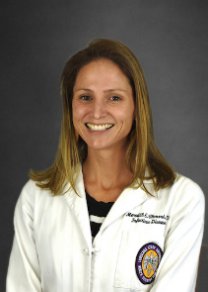
Meredith Clement, MD
Dr. Clement is an infectious diseases physician at Louisiana State University whose research focuses on HIV prevention and optimizing the use of pre-exposure prophylaxis (PrEP) to reduce HIV infections among populations disproportionately affected by HIV. ... Meredith Clement, MD, joined the LSU faculty as a physician scientist following the completion of her internal medicine and infectious diseases training at Duke University. Her academic interest lies in the prevention of HIV and sexually transmitted infections (STIs) in priority populations, including racial/ethnic and gender minority populations in the South with a particular focus on how to reduce the burden of HIV infection by maximizing the impact of pre-exposure prophylaxis (PrEP). She has been involved in PrEP related research since 2014. Read Full Bio
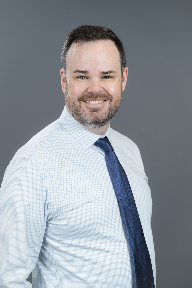
Christopher B. Fox, MSN, RN, ANP-BC, AAHIVS
Christopher is an Assistant Professor of Medicine and HIV nurse practitioner at Oregon Health & Science University whose clinical and educational work focuses on expanding equitable access to HIV prevention, PrEP, and hepatitis C care. ... Christopher B. Fox, MSN, RN, ANP-BC, AAHIVS is an Assistant Professor of Medicine and nurse practitioner in the Division of General Internal Medicine and Geriatrics at Oregon Health & Science University. With more than a decade of experience in HIV prevention and treatment, Mr. Fox is a nationally recognized clinician-educator and advocate for health equity. Mr. Fox’s work focuses on expanding access to HIV and hepatitis C care, particularly for marginalized and underserved populations. His primary clinic practice is in HIV primary care and consultation at the OHSU HIV Clinic. He is the clinical lead for the OHSU Tele-PrEP Program, a pioneering initiative that delivers statewide HIV pre-exposure prophylaxis (PrEP) through a partnership between telemedicine and home infusion pharmacy services. He is a clinician with the Peer Assisted Telemedicine for Hepatitis C and Syphilis (PATHS) program, which provides telemedicine hepatitis C treatment to people in rural Oregon. A frequent national speaker, Mr. Fox has delivered invited presentations at the American Conference for the Treatment of HIV (ACTHIV), the Association of Nurses in AIDS Care annual conference, and online through Clinical Care Options. He authored a textbook chapter on HIV care for non-specialists in Collins-Bride & Saxe’s Clinical Guidelines for Advanced Practice Nursing. He also serves on the National Board of Directors for the American Academy of HIV Medicine and co-chairs its Northwest Chapter. Mr. Fox received his training at the University of California, San Francisco. Read Full Bio

American Academy of CME, Inc., designates this educational activity for 1.0 ANCC contact hours (0.6 pharmacotherapeutic contact hours).
California
Provider approved by the California Board of Registered Nursing, Provider Number CEP16993 for 1.0 contact hours.
Jonathan Colasanti, MD; Courtney Fletcher, PharmD; Jose Gutierrez, PhD, FNP-BC; Margaret Hoffman-Terry, MD, FACP, AAHIVS; John JD Juchniewicz, MCIS, CHCP, FACEHP; H. Nina Kim, MD, MS; Natalie Kirkwood, RN, BSN, JD; Daiquiri Y. Robinson, Med, Matthew Young: No relevant financial relationships to disclose.
Christopher Evans, MD: Grant/Research Support: ViiV Healthcare
William R. Short, MD, MPH: Advisory Board/Consultant – ViiV Healthcare, Gilead Sciences; Grant/Research Support – Gilead Sciences
Sarah Smith, MHS, PA-C, AAHIVS: Advisory Board/Consultant: ViiV Healthcare, Gilead Sciences, Merck, Janssen*; Speaker’s Bureau: ViiV Healthcare, Gilead Sciences, Merck, Janssen*
*Relationship has endedThe opinions expressed in this accredited continuing education activity are those of the faculty, and do not represent those of the Academy/ACTHIV Institute. This educational activity is intended as a supplement to existing knowledge, published information, and practice guidelines. Learners should appraise the information presented critically, and draw conclusions only after careful consideration of all available scientific information
Implicit Bias: Implicit bias refers to unconscious attitudes and stereotypes that influence our thoughts, judgements, decisions, and actions without our awareness. Everyone is susceptible to implicit bias, even clinicians. In healthcare, implicit biases can have a significant impact on the quality of care an individual receives. These biases can be both favorable and unfavorable, and are activated involuntarily without an individual’s awareness or intentional control. Studies have indicated that healthcare providers’ incorrect perceptions can impact providers’ communications and clinical decision-making contributing to disparities in clinical outcomes. Addressing implicit biases in healthcare is critical to improving health outcomes and promoting health equity for all patients. Patient-centered care can reduce the impact of implicit bias, by treating each patient as a unique individual who may or may not hold beliefs associated with their backgrounds and circumstances. In addition, recognizing implicit bias in one’s own practice using techniques such as self-reflection and mindful clinical decision-making can ensure more equitable and effective care for all patients.
Over the past several decades, cognitive science research has demonstrated human behavior, beliefs and attitudes are shaped by automatic and unconscious cognitive processes. The healthcare profession is devoting greater attention to how these automatic and unconscious processes impact care including: (1) preferential treatment toward or against specific patient populations causing healthcare inequities, (2) influence patient-provider communications leading to misunderstandings and mistrust, and (3) impact access to healthcare and affect treatment decisions resulting in misdiagnosis, delays in treatment and specialty referrals and poor pain management. Considering one might have unconscious biases and exploring them may be uncomfortable because the very idea that they exist may conflict with how clinicians perceive themselves. It is only by becoming aware of one’s unconscious biases that members of the healthcare team can take steps to mitigate them to ensure all their patients receive quality healthcare. For more information on strategies to reduce implicit bias, visit: //www.ihi.org/library/blog/how-reduce-implicit-bias
This program should be viewed at a resolution of 1024 x 768 or higher using current versions of Microsoft Internet Explorer, Firefox, Chrome or Safari. A high-speed Internet connection is recommended.
Copyright © American Academy of CME, Inc. 2026
Website designed by Netlynx Inc